Spotted · 7 November · Zanoubia Kahale
The hands that keep Damascus alive
An encounter with the artistry, heritage and enduring beauty of Damascus.

Dimashq: where craftsmanship tells a story
There is something about Damascus that cannot quite be put into words. A city where history is not simply preserved in museums, but lives in its streets, its workshops, its architecture, and in the hands of artisans who continue to create beauty as their ancestors did generations before them.
During my visit to Syria, I found myself stepping into a world where craftsmanship is more than a profession. It is an inheritance, a language, and perhaps one of the most beautiful expressions of cultural identity.
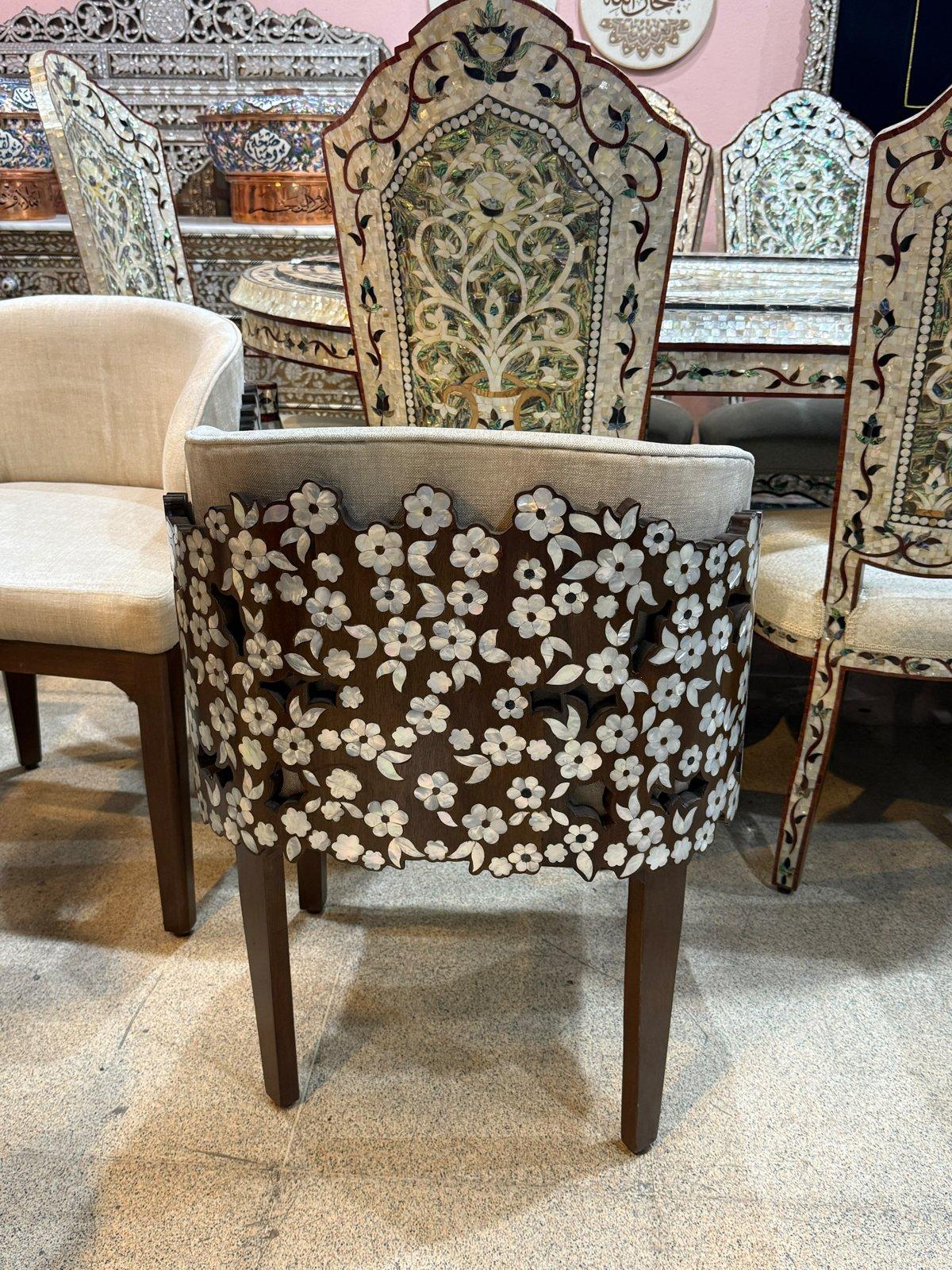
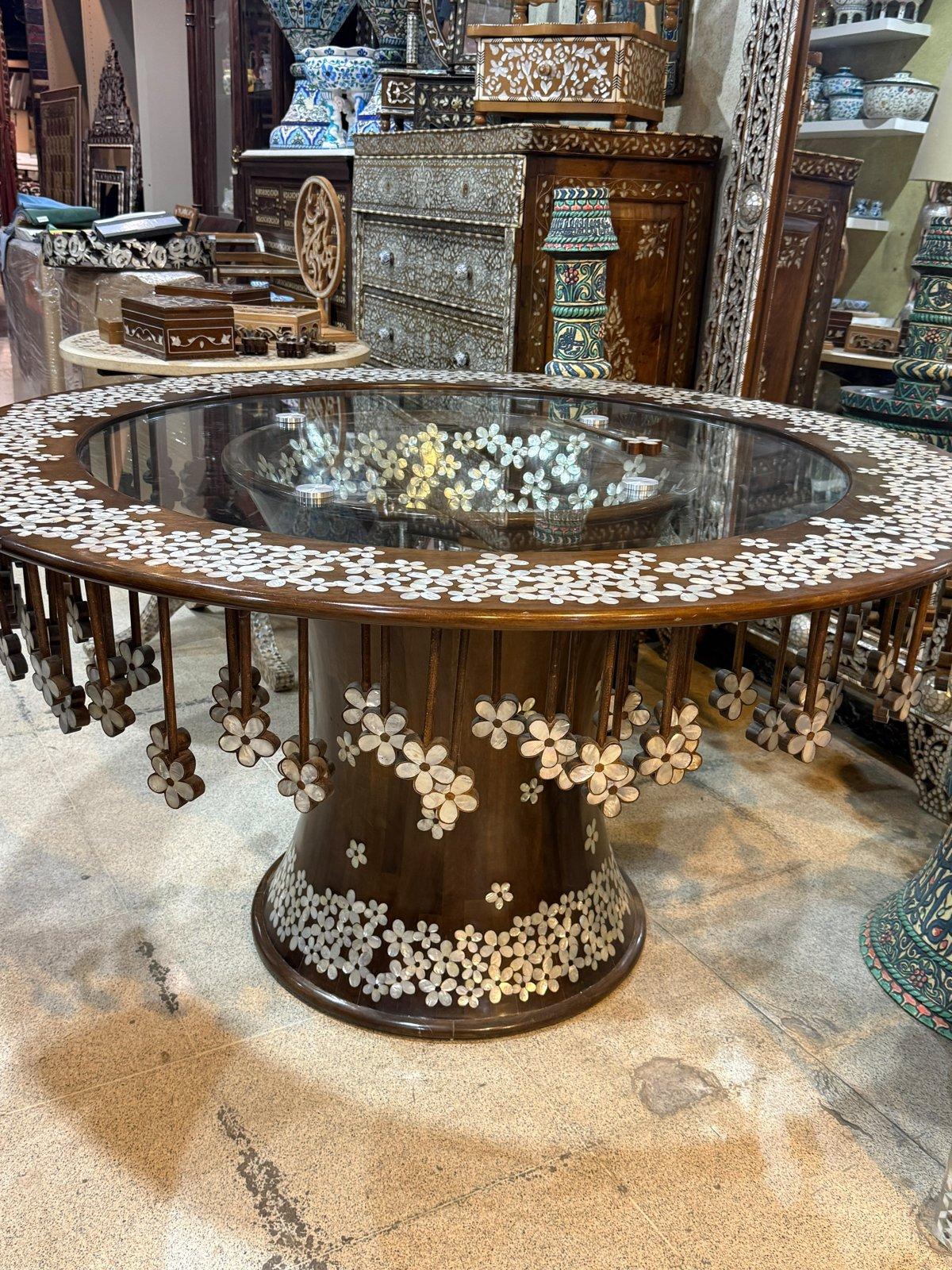
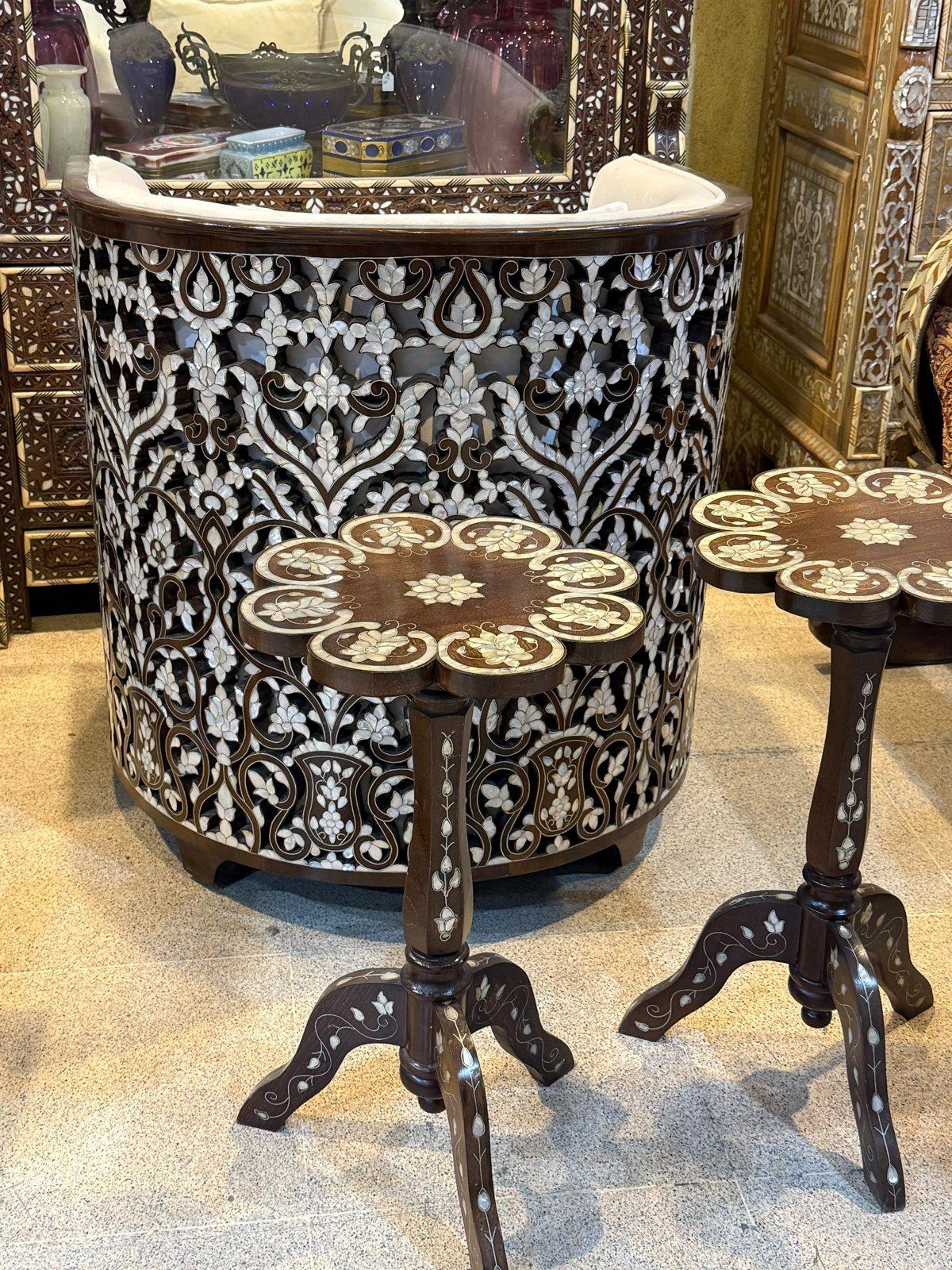
One particular visit took me to Original Antique, a place dedicated to the extraordinary artistry of traditional Damascene furniture, modernized traditional designs, where intricate woodwork and delicate mother-of-pearl inlay transform everyday objects into works of art.
Every corner seemed to tell a story. The chairs, tables, and decorative pieces were adorned with elaborate floral patterns, each detail reflecting the patience, precision, and artistry that have long defined Syrian craftsmanship.
But what made this visit particularly fascinating was discovering the story behind a chair that had recently captured public attention.
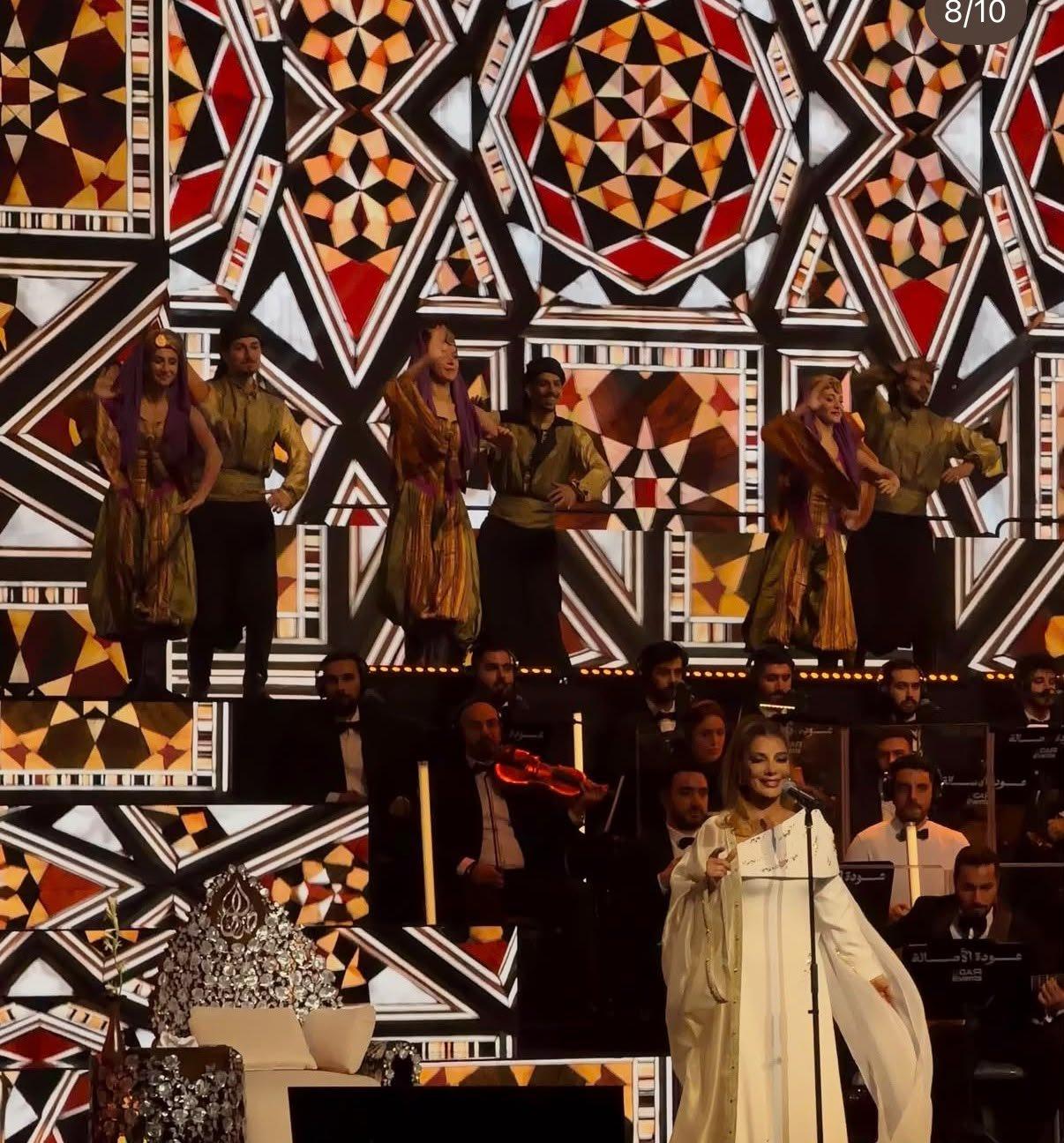
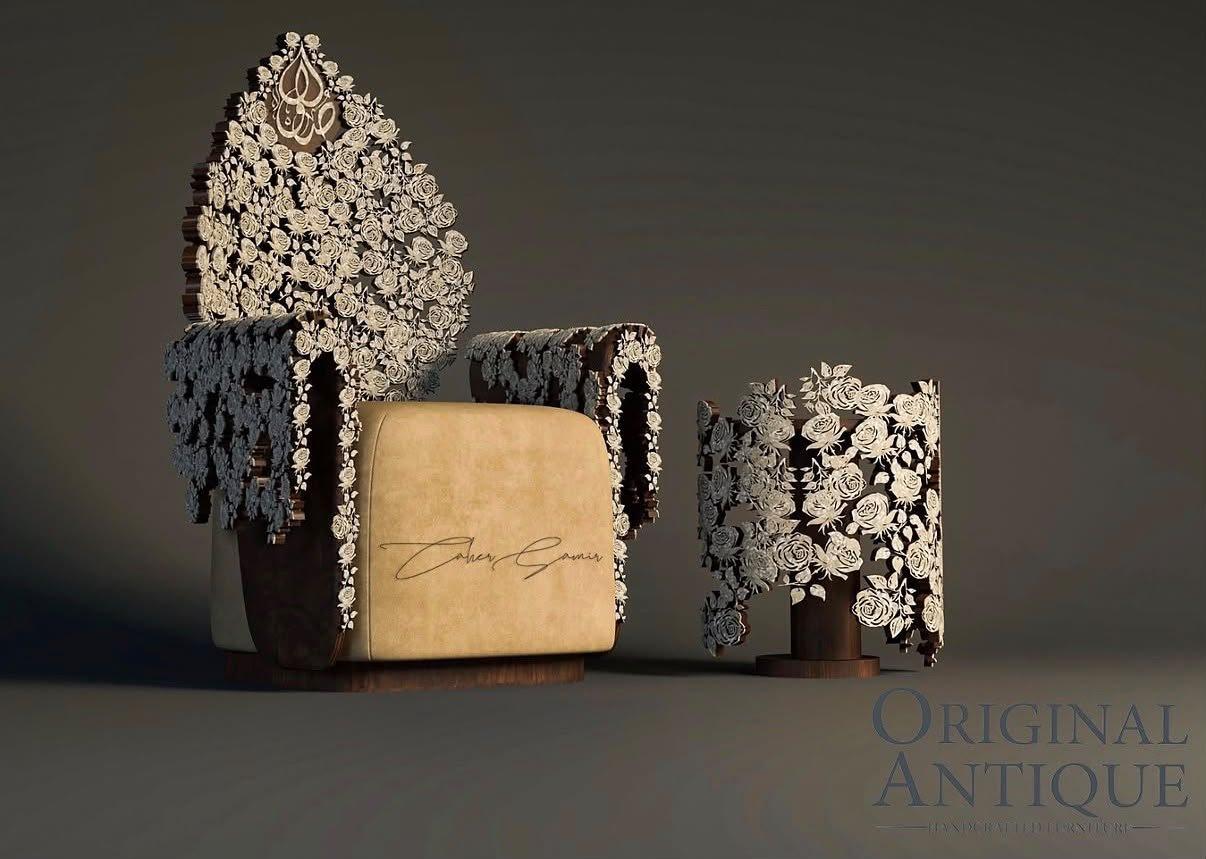
Created by Syrian designer and artisan Zaher Samir, the special chair was designed for Assala’s much-anticipated return to the stage in Damascus after 15 years.
Inspired by the Damask rose, known locally as the Jouri, the chair carried a symbolism that extended far beyond its decorative beauty.
The rose has long been associated with Damascus. Delicate in appearance yet deeply rooted in the city’s identity, it felt like a fitting inspiration for an object created to mark such an emotional homecoming.
What struck me was how something as simple as a chair could become part of a much larger cultural moment.
“Places like this remind us of the importance of preserving what makes a culture distinctive.”
For audiences, it was a beautiful piece of furniture accompanying a celebrated singer’s return. But behind it was the story of an artisan, a city, and a centuries-old tradition finding its place in a contemporary moment.
As I walked through the shop, admiring the intricate floral carvings and shimmering mother-of-pearl, I was reminded that true luxury does not always come with a famous international label.
Sometimes, luxury is found in the time someone dedicates to creating something by hand. In the knowledge passed from one generation to another. In the imperfections and individuality that make each piece unique.
And perhaps that is what made this visit so meaningful.
At a time when so much of the world is moving towards mass production and fleeting trends, places like this remind us of the importance of preserving what makes a culture distinctive.
Damascus has always been a city of extraordinary artisans. And despite everything Syria has experienced, that creative spirit continues to exist.
I left with more than an appreciation for beautiful furniture. I left with a deeper admiration for the people who continue to protect their heritage through their work.