Spotted · 3 November · Viktoria
The Hashmi: A Thread of My Identity
On heritage, memory, and the beauty of rediscovering where we come from.
My roots are Iraqi, but growing up in Sweden shaped so much of who I am. Raised between two cultural identities, each beautiful in its own way, my connection to my Iraqi heritage has evolved and deepened over the years.
I wasn’t raised in a particularly traditional Iraqi environment. My childhood was shaped by simplicity, a natural sense of style and a palette of rather muted colours that reflected both our personalities and the environment we grew up in.
Yet there is one memory that has stayed with me all these years.
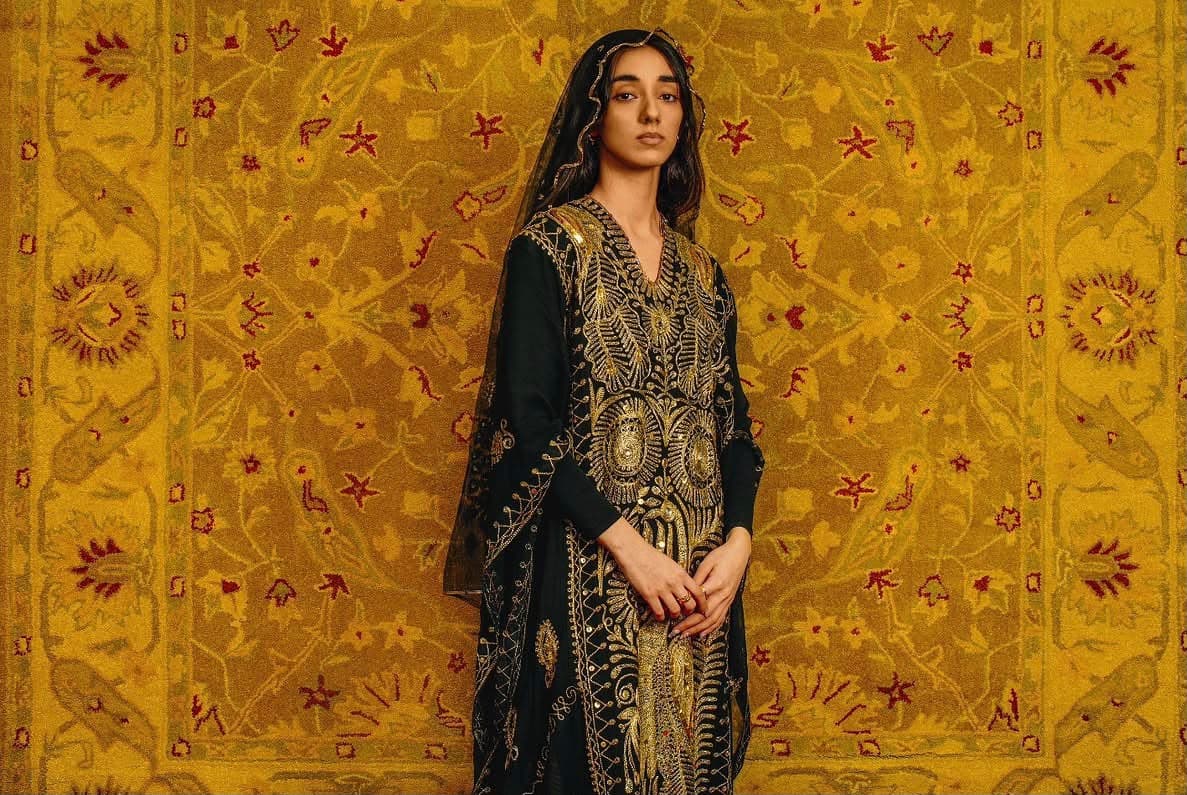
I remember my mother wearing a traditional Iraqi Hashmi dress for a celebration. I must have been quite young, but I can still picture it. The boldness, the richness of the fabric, the intricate gold embroidery. It was unlike anything I was accustomed to seeing.
For a little girl growing up in a world of simplicity, it was quite a statement. And somehow, that image never left me.
Years later, moving to the UAE opened my eyes to an extraordinary mix of cultures, including my own Iraqi heritage, which suddenly felt much closer than it ever had growing up in Sweden.
I began to see these traditional garments differently. Not simply as beautiful dresses, but as expressions of identity, history, femininity and belonging.
A little history behind the Hashmi
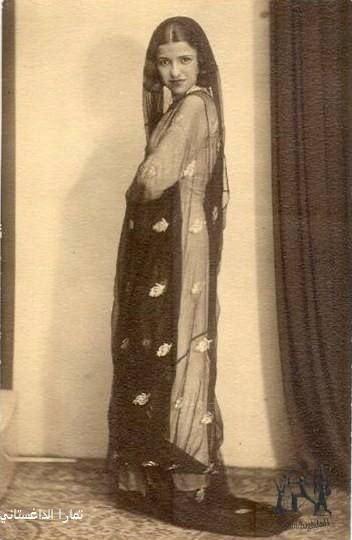
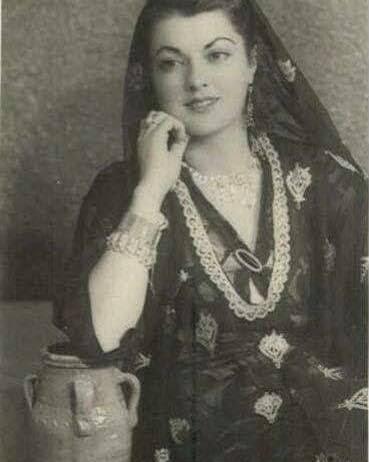
The Hashmi holds a special place in Iraqi fashion heritage. Traditionally worn for weddings and celebrations, it was particularly prominent in cities such as Basra, Najaf and Hilla. Known for its flowing silhouette, wide sleeves, delicate fabrics and elaborate gold or silver embroidery, it symbolised elegance, craftsmanship and occasion dressing. Although its precise origins remain uncertain, the garment was an important part of Iraqi ceremonial fashion well into the 20th century, with its influence extending across the Gulf.
What I find particularly beautiful is that these dresses were never simply about decoration. They reflected the traditions, artistry and cultural identity of the women who wore them.
And perhaps what fascinates me most today is how something that once felt so distant can become so personal.
At this stage of my life, and after spending so many years working in fashion and image, I have developed a deeper appreciation for what traditional clothing truly represents.
Fashion is not always about trends, modernity or what comes next. Sometimes it is about looking back and understanding the beauty of what was already there.
I may not have grown up wearing the Hashmi, and it may still feel a little distant from the way I dress today. But I recognise it as part of my story.
Because identity isn’t only about the culture we grow up surrounded by. It’s also about the heritage we carry, even when we don’t fully realise it.
And perhaps that is what makes fashion so powerful. A single dress can hold a memory, connect generations and remind us of a part of ourselves we are only beginning to understand.